


In a world of ever-changing financial landscapes, mastering personal finance has become an essential life skill. Whether you're just starting out or looking to optimize your financial health, understanding the principles of personal finance can empower you to make informed decisions that pave the way to a secure and prosperous future. In this blog post, we'll explore the key aspects of personal finance and provide practical tips to help you achieve your financial goals.
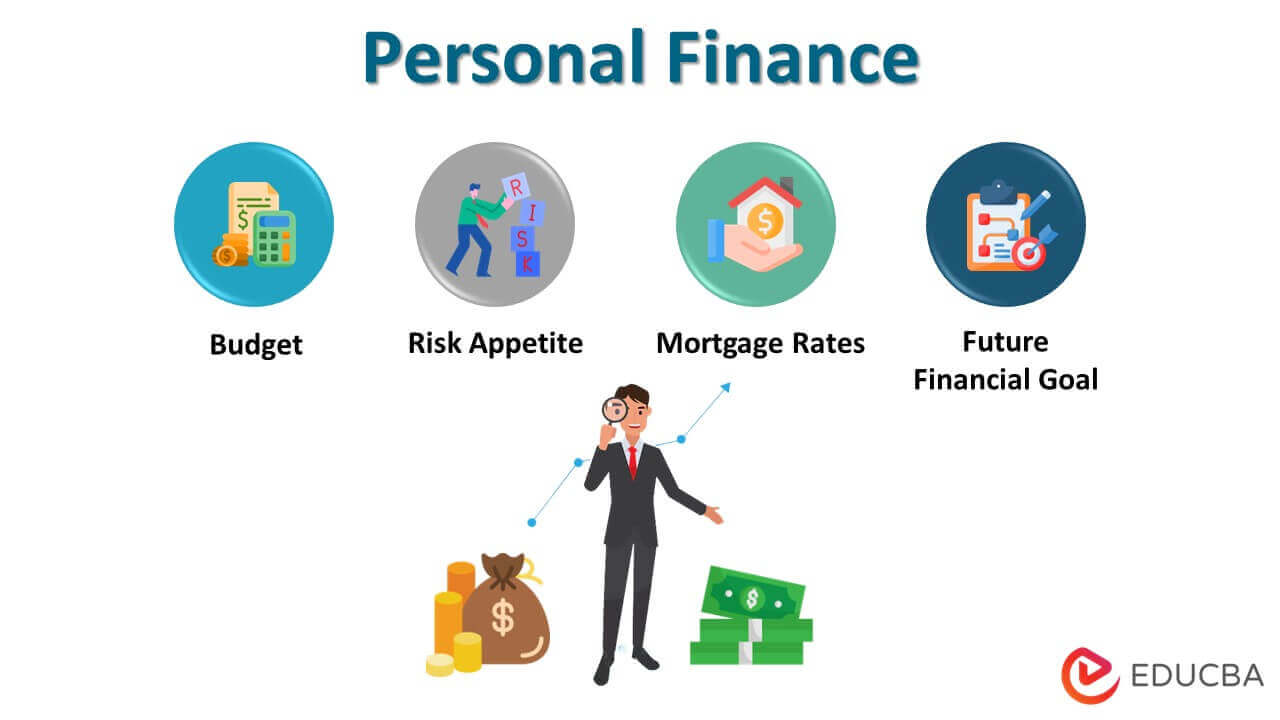
**1. Budgeting: The Foundation of Financial Wellness:
Creating and sticking to a budget is the cornerstone of managing your finances. A budget helps you track your income, expenses, and savings goals. It provides a clear picture of your financial situation, enabling you to make conscious spending choices and allocate funds for future needs.
**2. Savings and Emergency Funds: Building a Safety Net:
Saving is the first step toward financial security. Establish an emergency fund that covers three to six months' worth of living expenses. This cushion will protect you from unexpected financial setbacks and give you peace of mind.
**3. Debt Management: Tackling Liabilities Wisely:
If you have debts, create a plan to manage and pay them off. Prioritize high-interest debts and explore strategies like the debt snowball or debt avalanche method. Avoid accumulating unnecessary debt and strive to live within your means.

**4. Investing for the Future: Growing Your Wealth:
Investing is a powerful tool for wealth accumulation. Start by understanding your risk tolerance and investment goals. Consider options such as employer-sponsored retirement plans, individual retirement accounts (IRAs), and diversified investment portfolios.
**5. Retirement Planning: Securing Your Golden Years:
Begin planning for retirement as early as possible. Contribute to retirement accounts that offer tax advantages, like 401(k)s or IRAs. Regular contributions and compound interest will help your retirement savings grow over time.
**6. Insurance and Protection: Safeguarding Your Financial Health:
Insurance is a crucial component of financial planning. Health insurance, life insurance, and disability insurance provide a safety net in case of unexpected events. Evaluate your needs and choose coverage that aligns with your circumstances.
**7. Setting Financial Goals: Mapping Your Path to Success:
Define short-term and long-term financial goals. These could include paying off debt, saving for a down payment on a house, funding education, or achieving a comfortable retirement. Setting clear goals helps you stay motivated and focused.

**8. Continuous Learning: Empowering Yourself Financially:
The world of personal finance is dynamic. Stay informed about financial trends, investment opportunities, and strategies. Books, podcasts, workshops, and online resources can all contribute to your financial education.
**9. Seek Professional Guidance: Expert Advice When Needed:
Consider consulting with financial advisors, especially for complex financial matters. Professionals can provide tailored advice that aligns with your unique situation and goals.
**10. Practice Patience and Persistence: A Lifelong Journey:
Achieving financial success takes time and effort. Stay patient and persistent as you work toward your goals. Be prepared to adapt your strategies as circumstances change.
Conclusion: Navigating the Path to Financial Freedom:
Personal finance is not just about managing money; it's about gaining control over your financial destiny. By adopting sound financial habits, setting achievable goals, and staying committed to your financial well-being, you can navigate the path to financial freedom with confidence. Remember, your financial journey is uniquely yours, and every step you take brings you closer to a future of financial security and prosperity.


