


In a world facing unprecedented environmental and social challenges, the role of finance has evolved beyond profit generation. Sustainable finance has emerged as a powerful force for positive change, aligning financial decisions with environmental and social responsibility. In this blog post, we'll explore the dynamic realm of sustainable finance, its significance, and the ways it's reshaping the future of investments.
Defining Sustainable Finance:
Sustainable finance refers to the integration of environmental, social, and governance (ESG) considerations into financial decisions. It's not just about making a profit, but also about making a positive impact on the planet and society. This holistic approach encompasses a range of financial instruments, strategies, and initiatives aimed at fostering sustainability.
Components of Sustainable Finance:
Environmental Considerations:
Addressing environmental challenges, such as climate change, pollution, and resource depletion, is a central aspect of sustainable finance. Investments in renewable energy, green technologies, and sustainable agriculture contribute to a more environmentally friendly future.
Social Responsibility:
Sustainable finance takes into account the well-being of communities, workers, and society as a whole. Investments that support fair labor practices, human rights, and social inclusion align with these principles.
Governance and Ethical Standards:
Corporate governance practices, transparency, and ethical behavior play a pivotal role in sustainable finance. Investments in companies with strong governance structures are more likely to promote responsible business practices.
Sustainable Finance Instruments:
Green Bonds:
Green bonds are issued to fund environmentally friendly projects, such as renewable energy installations, energy-efficient buildings, and clean transportation. They provide investors with opportunities to support sustainability while generating returns.
ESG-Integrated Funds:
Investment funds that consider ESG factors in their decision-making process aim to create positive impact alongside financial returns. These funds screen investments based on specific ESG criteria.

Impact Investing:
Impact investors prioritize investments that generate measurable positive outcomes, whether it's supporting affordable housing, clean water projects, or social enterprises.
The Advantages of Sustainable Finance:
Risk Mitigation:
Companies with strong ESG practices are often better equipped to manage risks associated with environmental and social issues, leading to more stable long-term returns.
Attracting Responsible Investors:
Sustainable finance appeals to a growing cohort of investors who prioritize ethical considerations alongside financial gains. This trend can attract more capital to sustainable initiatives.
Future-Proofing Investments:

Challenges and the Path Forward:
Measuring Impact:
Quantifying the impact of sustainable investments and standardizing metrics remains a challenge. Clearer measurement methods are needed to assess the actual contributions of these investments.
Lack of Uniformity:
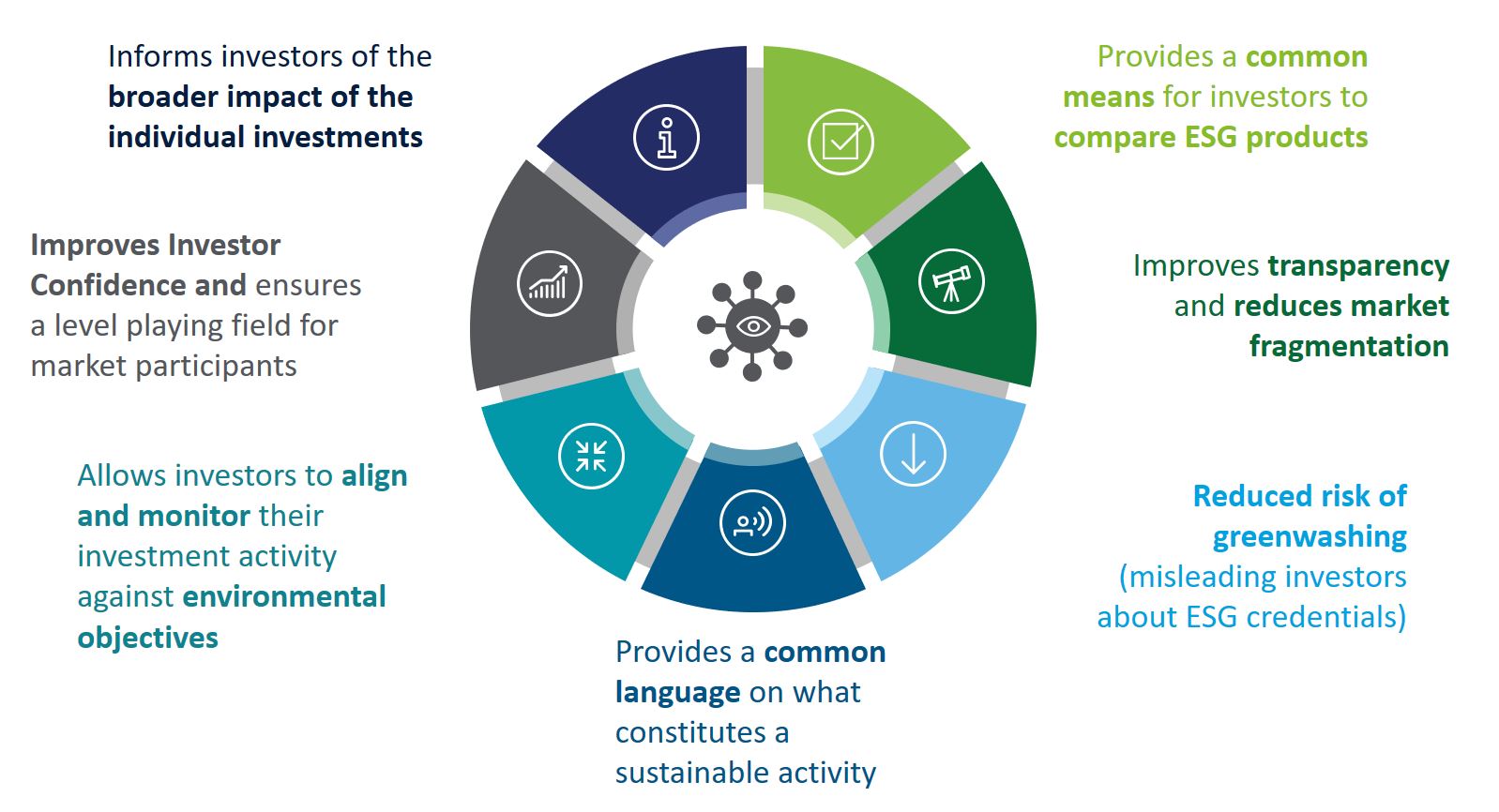
The lack of consistent standards and definitions within the sustainable finance landscape can lead to confusion and greenwashing (misleading claims of sustainability).
Conclusion: Shaping a Better Tomorrow Through Sustainable Finance:
Sustainable finance is more than a trend; it's a movement that's reshaping the financial landscape for the better. As individuals, investors, and institutions engage with sustainable finance, we collectively contribute to building a more sustainable, inclusive, and resilient future. By aligning our financial decisions with our values, we can drive positive change and ensure that our investments reflect the world we want to live in.


