Theme images by jangeltun. Powered by Blogger.

Get a Blog Site

Hello, I'm Ashikur Ali, your go-to expert for all things website design and more!


🌟 I specialize in crafting custom, professional, responsive, and modern websites, primarily in WordPress. Whether it's starting from scratch, theme customization, or WooCommerce integration, I've got you covered.


🛒 Need an online store? I offer comprehensive e-commerce solutions, including Shopify, Magento, and online store development.


🚀 Looking for high-converting landing pages? I excel at crafting engaging landing pages for boosting sales, lead generation, and click-throughs.


💡 I can also transform websites through redesign, revamp, makeover, and refresh solutions.


📱 For mobile excellence, I optimize your site to be mobile-friendly, responsive, and can even create mobile apps.


🔍 Enhancing online visibility is my expertise, thanks to SEO-friendly design, on-page SEO, and comprehensive optimization.


🎨 Elevate your brand with graphic design. I create web elements, logos, banners, and icons that make your brand stand out.


🛠️ Worried about website maintenance, bugs, or updates? Relax, I provide reliable website maintenance, bug fixes, updates, and ongoing support.


🎯 My specialization spans various niches, including real estate, e-learning, health, food, travel, fashion, non-profits, technology, automotive, legal, weddings, pets, gaming, and sustainability.


Whether you're an entrepreneur, small business owner, or part of a larger organization, I have the skills and experience to meet your unique needs.


Ready to enhance your online presence? Let's get started today!


Click here to visit my Fiverr gig: https://www.fiverr.com/s/dlzRog


Don't miss out on the opportunity to work with an expert who is passionate about helping you succeed in the digital world. Contact me today, and let's make your online presence shine!

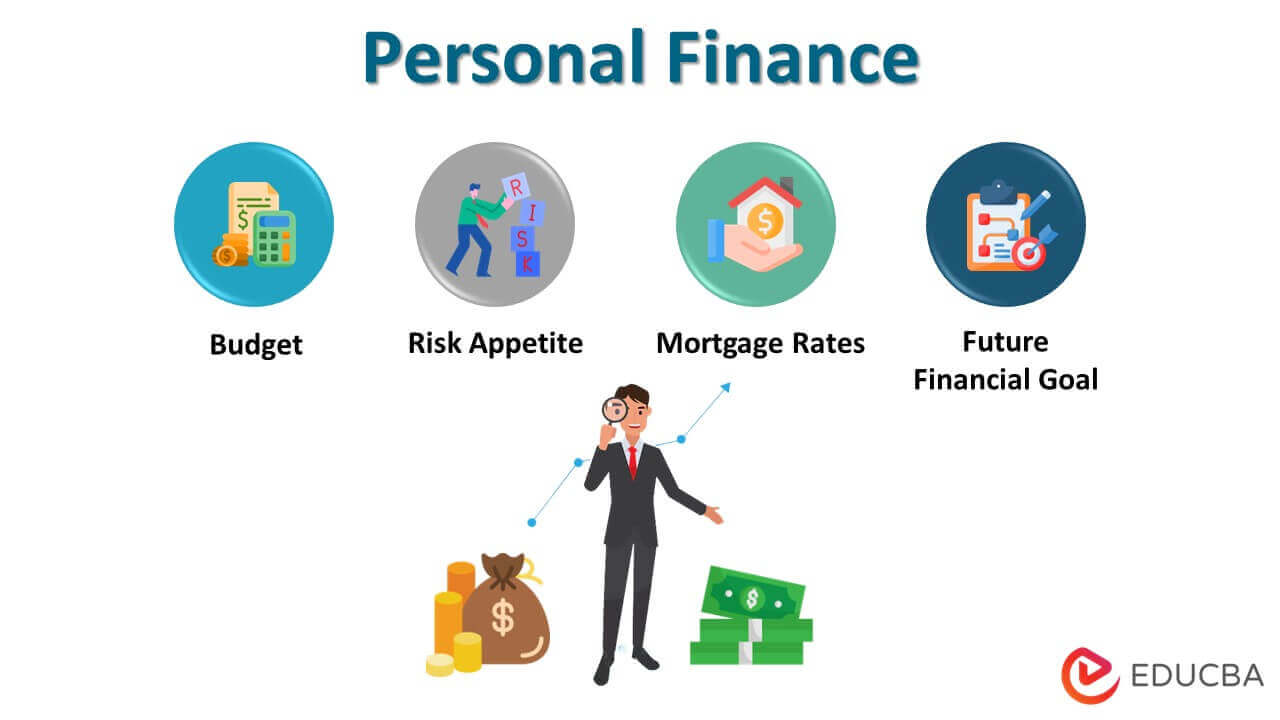
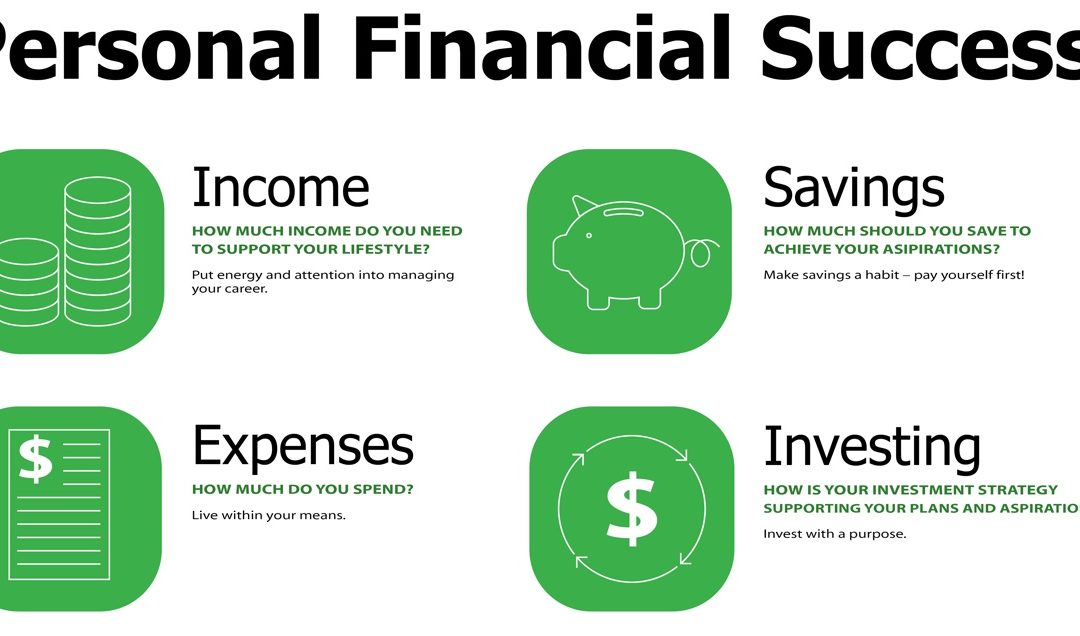
Mastering Your Financial Journey: A Guide to Personal Finance Success

In a world of ever-changing financial landscapes, mastering personal finance has become an essential life skill. Whether you're just starting out or looking to optimize your financial health, understanding the principles of personal finance can empower you to make informed decisions that pave the way to a secure and prosperous future. In this blog post, we'll explore the key aspects of personal finance and provide practical tips to help you achieve your financial goals.


**1. Budgeting: The Foundation of Financial Wellness:

Creating and sticking to a budget is the cornerstone of managing your finances. A budget helps you track your income, expenses, and savings goals. It provides a clear picture of your financial situation, enabling you to make conscious spending choices and allocate funds for future needs.


**2. Savings and Emergency Funds: Building a Safety Net:

Saving is the first step toward financial security. Establish an emergency fund that covers three to six months' worth of living expenses. This cushion will protect you from unexpected financial setbacks and give you peace of mind.


**3. Debt Management: Tackling Liabilities Wisely:

If you have debts, create a plan to manage and pay them off. Prioritize high-interest debts and explore strategies like the debt snowball or debt avalanche method. Avoid accumulating unnecessary debt and strive to live within your means.


**4. Investing for the Future: Growing Your Wealth:

Investing is a powerful tool for wealth accumulation. Start by understanding your risk tolerance and investment goals. Consider options such as employer-sponsored retirement plans, individual retirement accounts (IRAs), and diversified investment portfolios.


**5. Retirement Planning: Securing Your Golden Years:

Begin planning for retirement as early as possible. Contribute to retirement accounts that offer tax advantages, like 401(k)s or IRAs. Regular contributions and compound interest will help your retirement savings grow over time.


**6. Insurance and Protection: Safeguarding Your Financial Health:

Insurance is a crucial component of financial planning. Health insurance, life insurance, and disability insurance provide a safety net in case of unexpected events. Evaluate your needs and choose coverage that aligns with your circumstances.


**7. Setting Financial Goals: Mapping Your Path to Success:

Define short-term and long-term financial goals. These could include paying off debt, saving for a down payment on a house, funding education, or achieving a comfortable retirement. Setting clear goals helps you stay motivated and focused.


**8. Continuous Learning: Empowering Yourself Financially:

The world of personal finance is dynamic. Stay informed about financial trends, investment opportunities, and strategies. Books, podcasts, workshops, and online resources can all contribute to your financial education.


**9. Seek Professional Guidance: Expert Advice When Needed:

Consider consulting with financial advisors, especially for complex financial matters. Professionals can provide tailored advice that aligns with your unique situation and goals.


**10. Practice Patience and Persistence: A Lifelong Journey:

Achieving financial success takes time and effort. Stay patient and persistent as you work toward your goals. Be prepared to adapt your strategies as circumstances change.


Conclusion: Navigating the Path to Financial Freedom:

Personal finance is not just about managing money; it's about gaining control over your financial destiny. By adopting sound financial habits, setting achievable goals, and staying committed to your financial well-being, you can navigate the path to financial freedom with confidence. Remember, your financial journey is uniquely yours, and every step you take brings you closer to a future of financial security and prosperity.

Pioneering Change: Navigating the Landscape of Sustainable Finance

In a world facing unprecedented environmental and social challenges, the role of finance has evolved beyond profit generation. Sustainable finance has emerged as a powerful force for positive change, aligning financial decisions with environmental and social responsibility. In this blog post, we'll explore the dynamic realm of sustainable finance, its significance, and the ways it's reshaping the future of investments.


Defining Sustainable Finance:

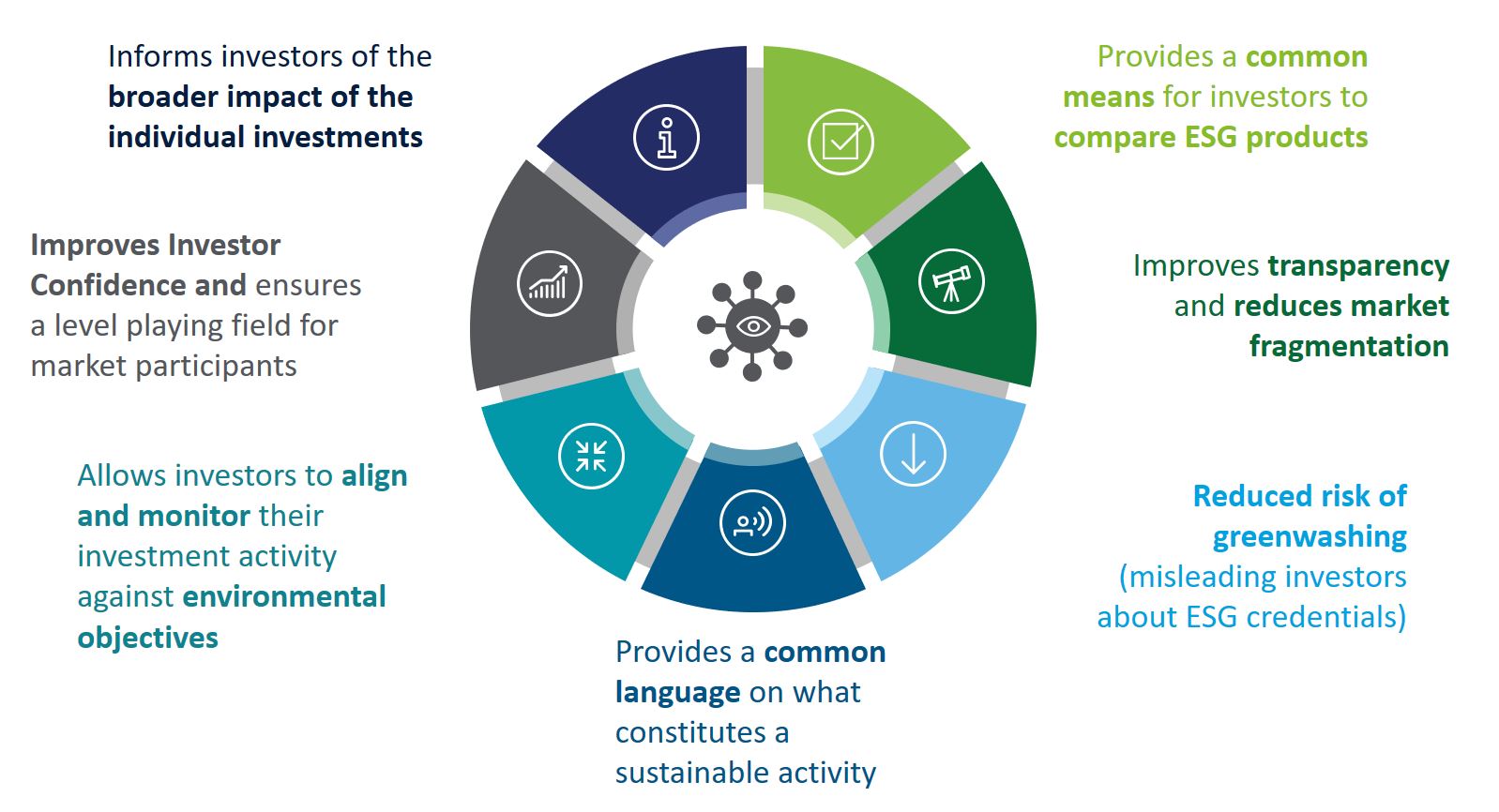
Sustainable finance refers to the integration of environmental, social, and governance (ESG) considerations into financial decisions. It's not just about making a profit, but also about making a positive impact on the planet and society. This holistic approach encompasses a range of financial instruments, strategies, and initiatives aimed at fostering sustainability.


Components of Sustainable Finance:


Environmental Considerations:

Addressing environmental challenges, such as climate change, pollution, and resource depletion, is a central aspect of sustainable finance. Investments in renewable energy, green technologies, and sustainable agriculture contribute to a more environmentally friendly future.


Social Responsibility:

Sustainable finance takes into account the well-being of communities, workers, and society as a whole. Investments that support fair labor practices, human rights, and social inclusion align with these principles.


Governance and Ethical Standards:

Corporate governance practices, transparency, and ethical behavior play a pivotal role in sustainable finance. Investments in companies with strong governance structures are more likely to promote responsible business practices.


Sustainable Finance Instruments:


Green Bonds:

Green bonds are issued to fund environmentally friendly projects, such as renewable energy installations, energy-efficient buildings, and clean transportation. They provide investors with opportunities to support sustainability while generating returns.


ESG-Integrated Funds:

Investment funds that consider ESG factors in their decision-making process aim to create positive impact alongside financial returns. These funds screen investments based on specific ESG criteria.


Impact Investing:

Impact investors prioritize investments that generate measurable positive outcomes, whether it's supporting affordable housing, clean water projects, or social enterprises.


The Advantages of Sustainable Finance:


Risk Mitigation:

Companies with strong ESG practices are often better equipped to manage risks associated with environmental and social issues, leading to more stable long-term returns.


Attracting Responsible Investors:

Sustainable finance appeals to a growing cohort of investors who prioritize ethical considerations alongside financial gains. This trend can attract more capital to sustainable initiatives.


Future-Proofing Investments:

Sustainable investments are positioned to benefit from shifts in consumer preferences, regulatory changes, and global efforts to address climate change.


Challenges and the Path Forward:


Measuring Impact:

Quantifying the impact of sustainable investments and standardizing metrics remains a challenge. Clearer measurement methods are needed to assess the actual contributions of these investments.


Lack of Uniformity:

The lack of consistent standards and definitions within the sustainable finance landscape can lead to confusion and greenwashing (misleading claims of sustainability).


Conclusion: Shaping a Better Tomorrow Through Sustainable Finance:

Sustainable finance is more than a trend; it's a movement that's reshaping the financial landscape for the better. As individuals, investors, and institutions engage with sustainable finance, we collectively contribute to building a more sustainable, inclusive, and resilient future. By aligning our financial decisions with our values, we can drive positive change and ensure that our investments reflect the world we want to live in.

Unveiling the Art of Investment Strategies: Navigating the Path to Financial Success

Investing is a powerful tool that can pave the way for financial growth and security. However, the world of investments can be overwhelming, with an array of strategies to choose from. In this blog post, we'll unravel the essence of investment strategies, from the fundamental principles to the advanced tactics, helping you make informed decisions on your journey to financial success.


Investment Strategies: The Building Blocks:

At the heart of investment strategies lies the goal of optimizing returns while managing risks. These strategies are carefully crafted plans that guide how you allocate your funds among various asset classes, industries, and geographical regions. Whether you're a seasoned investor or just starting, understanding the following strategies is essential:


1. Diversification:

Diversification involves spreading your investments across a range of assets to reduce risk. By not putting all your eggs in one basket, you can mitigate the impact of poor performance in any single investment on your overall portfolio.


2. Asset Allocation:

This strategy focuses on dividing your investments among different asset classes, such as stocks, bonds, and cash equivalents. The allocation should reflect your risk tolerance, investment goals, and time horizon.


3. Buy and Hold:

The buy and hold strategy involves investing in quality assets with the intention of holding onto them for an extended period, regardless of short-term market fluctuations. This approach is well-suited for long-term investors aiming to benefit from compounding returns.


4. Value Investing:

Value investors seek to identify undervalued assets in the market. They believe that over time, the market will recognize the true value of these assets, leading to potential gains.


5. Growth Investing:

Growth investors focus on companies that exhibit strong growth potential. They're willing to pay a premium for stocks of companies they believe will continue to expand and generate significant returns.


6. Dollar-Cost Averaging:

This strategy involves investing a fixed amount of money at regular intervals, regardless of market conditions. This approach can help mitigate the impact of market volatility on your investment performance.


Advanced Investment Strategies: Navigating Complexity:

Beyond the fundamental strategies, advanced investors may explore more intricate approaches:


1. Momentum Investing:

Momentum investors capitalize on trends by buying assets that have shown recent strong performance and selling those that have shown weak performance. This strategy requires close monitoring of market movements.


2. Options Trading:

Options trading involves contracts that grant the buyer the right, but not the obligation, to buy or sell an asset at a predetermined price within a specific timeframe. It's a complex strategy that can offer hedging and speculation opportunities.


3. Hedge Funds and Private Equity:

Sophisticated investors might venture into hedge funds and private equity, which involve pooled funds managed by professionals. These strategies often require higher minimum investments and have specific risk profiles.


Conclusion: Crafting Your Investment Journey:

The world of investment strategies is as diverse as the financial markets themselves. The key to success is aligning your chosen strategy with your financial goals, risk tolerance, and time horizon. As you navigate the complexities of investing, remember that patience, research, and a commitment to learning will be your greatest allies on the path to financial success. Whether you're a beginner or a seasoned investor, understanding the art of investment strategies can be your guiding light toward a more secure and prosperous future.

Navigating the Complex Terrain of Global Markets: Trends and Insights

In today's interconnected world, the global markets play a pivotal role in shaping economies, industries, and investment landscapes. The ebb and flow of these markets have far-reaching implications, touching every corner of our lives. In this blog post, we'll delve into the intricate web of global markets, exploring their dynamics, trends, and the factors that drive their evolution.


Understanding Global Markets:

Global markets refer to the interconnected network of financial exchanges where various assets are bought, sold, and traded. These assets can range from stocks, bonds, and commodities to currencies and derivatives. The rise of technology has transformed global markets into a virtual domain, enabling real-time transactions and information dissemination.


Market Trends That Shape the Landscape:


Digital Transformation and Technological Innovation:

Technology is reshaping how markets operate. High-frequency trading, algorithmic trading, and the use of artificial intelligence have introduced new levels of efficiency, liquidity, and volatility to global markets.


Sustainable Investing and ESG Factors:

Environmental, Social, and Governance (ESG) considerations are gaining prominence in investment decisions. Investors are increasingly looking for companies that align with their ethical and sustainable values, leading to the growth of ESG-focused investments.


Rise of Emerging Markets:

Emerging markets in regions such as Asia, Africa, and Latin America are becoming increasingly important players in the global economy. Rapid urbanization, demographic shifts, and technological advancements in these regions are driving economic growth and reshaping trade patterns.


Geopolitical Influences:

Geopolitical events, such as trade tensions, political instability, and international conflicts, can send shockwaves through global markets. Investors must navigate the complexities of these factors, which often lead to volatility and uncertainty.


Digital Currencies and Blockchain Technology:

The emergence of cryptocurrencies and blockchain technology is challenging traditional notions of money and financial intermediaries. Central bank digital currencies (CBDCs) and decentralized finance (DeFi) platforms are gaining traction, potentially reshaping global financial systems.


Investor Strategies in a Dynamic Landscape:


Diversification:

Given the interconnectedness of global markets, diversification across different asset classes, regions, and industries is crucial to manage risk and capture opportunities.


Informed Decision-Making:

Staying informed about macroeconomic trends, geopolitical developments, and market sentiment can help investors make more educated decisions.


Long-Term Perspective:

Volatility is inherent in global markets. Adopting a long-term investment perspective can help investors weather short-term fluctuations and capitalize on long-term growth prospects.


The Future of Global Markets: Possibilities and Challenges:

As technology continues to advance and global interdependence deepens, the future of global markets holds both promise and challenges. Regulatory changes, ethical considerations, and the ongoing impact of geopolitical events will shape the trajectory of these markets.


Conclusion: Navigating the Global Markets Maze:

Global markets are a complex tapestry, woven with economic, technological, and geopolitical threads. Understanding their dynamics and trends is essential for investors, businesses, and policymakers alike. By staying informed, embracing innovation, and maintaining a resilient approach, we can navigate the ever-evolving landscape of global markets and seize the opportunities it presents.

Fintech and Innovation Revolutionizing the Financial Landscape

In the digital age, the financial industry is undergoing a seismic shift, driven by the convergence of finance and technology - a phenomenon we know as Fintech. This revolution has sparked unprecedented innovation, reshaping the way we manage money, transact, and invest. In this blog post, we'll delve into the captivating world of Fintech and how it's transforming the financial landscape with its innovative prowess.


The Fintech Revolution Unveiled:

Fintech, a portmanteau of 'financial technology,' refers to the use of technology to provide efficient, innovative, and user-friendly financial services. From mobile payment solutions and robo-advisors to blockchain applications and peer-to-peer lending platforms, Fintech has permeated various sectors of finance, rewriting the rules of the game.


Breaking Down the Impact:


Enhanced Accessibility and Inclusion:

Fintech has democratized access to financial services, reaching underserved populations and unbanked individuals across the globe. Mobile banking apps and digital wallets have eliminated geographical barriers, bringing banking services to remote corners of the world.


Seamless Payments and Transactions:

Traditional payment methods are being rapidly replaced by digital alternatives. Whether it's contactless payments, QR codes, or cryptocurrency transactions, Fintech has revolutionized the way we pay and transfer money, making it faster, safer, and more convenient.


Empowering Personal Finance:

Budgeting, saving, and investing have become more intuitive and engaging through Fintech applications. Personal finance management apps offer real-time insights, helping users make informed decisions and take control of their financial well-being.


Redefining Investment Landscape:

Fintech-driven innovations like robo-advisors have made investment advice and portfolio management accessible to the masses. Automated trading platforms and fractional investing are leveling the playing field for investors of all sizes.


Blockchain and Cryptocurrencies:

The revolutionary potential of blockchain technology and cryptocurrencies like Bitcoin and Ethereum is rewriting how we think about money, ownership, and trust. Decentralized finance (DeFi) platforms are challenging traditional financial intermediaries, offering peer-to-peer lending, automated trading, and more.

Challenges on the Horizon:

While Fintech has brought about remarkable transformations, it's not without its challenges. Regulatory frameworks, data privacy concerns, and the potential for increased financial vulnerabilities must be carefully navigated to ensure the sustainable growth of the industry.


The Road Ahead: Fintech's Promising Future:

The Fintech journey has only just begun. As technologies like artificial intelligence, machine learning, and quantum computing continue to evolve, Fintech is set to further reshape financial services. Smart contracts, predictive analytics, and personalized financial products are poised to redefine customer experiences in ways we can hardly imagine.


Conclusion: Embracing the Fintech Frontier:

The marriage of finance and technology is reshaping the way we transact, invest, and interact with money. Fintech's innovative power has empowered individuals, businesses, and economies alike, laying the foundation for a more inclusive, efficient, and dynamic financial world. As we stride into this Fintech frontier, let's embrace the opportunities it brings while addressing the challenges responsibly, ensuring a future where innovation and financial well-being go hand in hand.

Navigating the Seas of Global Economic Policy

Navigating the Seas of Global Economic Policy: Trends and Implications


In an interconnected world where economic ripples in one corner can trigger waves halfway around the globe, understanding and analyzing global economic policies is essential. These policies, formulated by governments and international institutions, shape the trajectory of economies, influence trade dynamics, and impact the livelihoods of billions. In this article, we delve into the intricate world of global economic policy, exploring key trends, challenges, and their far-reaching implications.


The Power of Economic Policy:

Economic policy serves as the guiding force for nations seeking to achieve sustainable growth, stability, and prosperity. Policies encompass fiscal measures (taxation, public spending), monetary tools (interest rates, money supply), and trade agreements that collectively aim to maintain macroeconomic equilibrium. These policies, however, extend beyond domestic borders, often intertwining economies through trade, investment, and capital flows.


Trends in Global Economic Policy:


Digital Transformation: As the digital age accelerates, policies are adapting to technological shifts. Governments are crafting strategies to harness the potential of fintech, e-commerce, and digital currencies while addressing challenges like cybersecurity and data privacy.


Sustainable Development: Sustainable economic policies are gaining prominence, driven by environmental concerns. Countries are integrating Environmental, Social, and Governance (ESG) considerations into policies to balance economic growth with long-term ecological well-being.


Trade Realignment: Trade agreements and tensions are reshaping policy priorities. Bilateral and multilateral trade negotiations, coupled with tariff adjustments, influence cross-border commerce and impact industries from agriculture to technology.


Implications on Global Landscape:


Global Economic Integration: Interconnectedness demands policy coordination. Harmonizing fiscal and monetary policies among nations can help mitigate currency fluctuations and stabilize global markets.


Inclusive Growth: Effective economic policies can bridge income disparities by focusing on equitable distribution of resources. Policies encouraging education, skill development, and social safety nets contribute to reducing poverty and fostering inclusive growth.


Financial Stability: Sound financial policies maintain systemic stability. Monitoring risks in banking systems, implementing effective regulatory frameworks, and managing debt levels ensure economies are resilient to shocks.


Challenges on the Horizon:


Policy Coordination: With the interconnectedness of economies, divergent policies can lead to conflicting outcomes. Coordinating policies across nations is crucial to avoid negative spillover effects.


Geopolitical Tensions: Global economic policies can be influenced by geopolitical considerations. Trade disputes and sanctions impact policy decisions, potentially leading to trade imbalances and economic instability.


Technological Disruption: The rapid pace of technological change demands adaptable policies. Crafting policies that foster innovation while safeguarding against risks like job displacement is a delicate balancing act.


Conclusion:

Global economic policy is a multifaceted journey that shapes the trajectory of nations and influences the lives of individuals worldwide. As nations navigate the complexities of an interconnected world, crafting effective policies that prioritize sustainable growth, inclusivity, and stability is paramount. By understanding the trends, implications, and challenges of these policies, we can collectively work towards a future of shared prosperity and balanced economic development.

The Dynamics of the World Finance System

 The Dynamics of the World Finance System: A Global Interplay of Markets and Policies


The world of finance is a complex and intricate web that connects economies, nations, and individuals on an unprecedented scale. At its core lies a delicate balance of markets, institutions, regulations, and policies that shape the way funds flow, investments are made, and economic growth is sustained. In this article, we delve into the dynamics of the world finance system, exploring its key components and highlighting the challenges and opportunities it presents.


Global Financial Markets: A Nexus of Transactions


The heart of the world finance system resides within the global financial markets. These bustling arenas facilitate the exchange of various financial instruments, including stocks, bonds, currencies, commodities, and derivatives. The interconnectedness of these markets means that events in one corner of the world can have far-reaching consequences elsewhere. A financial shock in one market can trigger a domino effect, impacting economies and investors worldwide.


The Role of Central Banks: Guardians of Monetary Stability


Central banks serve as the guardians of monetary stability within the world finance system. They wield the power to influence interest rates, money supply, and currency values, thereby affecting borrowing costs, inflation, and economic growth. Through monetary policy, central banks aim to maintain price stability while promoting employment and sustainable economic development. The decisions of major central banks, such as the U.S. Federal Reserve, the European Central Bank, and the Bank of Japan, ripple through global markets, influencing investment decisions and shaping economic trajectories.


International Financial Institutions: Catalysts for Development


International financial institutions (IFIs) play a vital role in fostering economic development and stability across the world finance system. Organizations like the International Monetary Fund (IMF), the World Bank, and regional development banks provide financial assistance, policy advice, and technical expertise to countries facing economic challenges. IFIs act as catalysts for growth by promoting financial stability, poverty reduction, and infrastructure development, often in emerging and developing economies.


Global Trade and Foreign Exchange: A Tapestry of Currencies


The movement of goods and services across borders is intricately intertwined with the world finance system. Global trade relies on the foreign exchange market, where currencies are bought and sold, enabling cross-border transactions. Exchange rates fluctuate based on a multitude of factors, including interest rate differentials, geopolitical events, and economic indicators. A shift in exchange rates can impact the competitiveness of industries, influence trade balances, and drive investment decisions.


Challenges and Opportunities in the World Finance System:


The world finance system is not without its challenges. Rapid technological advancements, such as algorithmic trading and digital currencies, have introduced both innovation and disruption. Cybersecurity threats pose risks to financial institutions and market integrity, requiring constant vigilance. Additionally, income inequality, regulatory disparities, and the potential for financial crises remain areas of concern.


Yet, within these challenges lie opportunities. The world finance system has the potential to drive sustainable development through responsible investment practices, green finance initiatives, and socially responsible investing. Technological innovations, such as blockchain, offer the promise of enhanced transparency, efficiency, and security in financial transactions.


Conclusion: Navigating a Complex Nexus


In an era of globalization and interconnectivity, the world finance system serves as a nexus that binds nations, economies, and individuals together. Its intricate dance of markets, policies, institutions, and technologies shapes the trajectory of global economic growth and prosperity. Understanding the dynamics of this system is essential for policymakers, investors, and citizens alike, as the choices made within this intricate web reverberate across the globe, influencing the well-being of societies and shaping the course of history. As we navigate the complexities and embrace the opportunities, we contribute to shaping a world finance system that serves the interests of all and promotes a more resilient and inclusive global economy.